Solar Rooftop System in 2026: Complete Guide to Residential & Commercial Solar Power Installation
With rising electricity tariffs, frequent power cuts, and growing demand for renewable energy solutions in India, installing a solar rooftop system has become one of the smartest investments for homeowners and businesses in 2026.
A grid-connected rooftop solar system allows you to generate your own electricity using sunlight, reduce dependency on DISCOM power supply, and cut monthly electricity bills by up to 70–90%.
In this comprehensive guide, you’ll learn:
- What a solar rooftop system is
- How rooftop solar panels work
- Types of rooftop solar systems (on-grid, off-grid, hybrid)
- Solar rooftop system cost in India
- Installation process and maintenance
- How to choose the best solar rooftop system for your property
What Is a Solar Rooftop System?
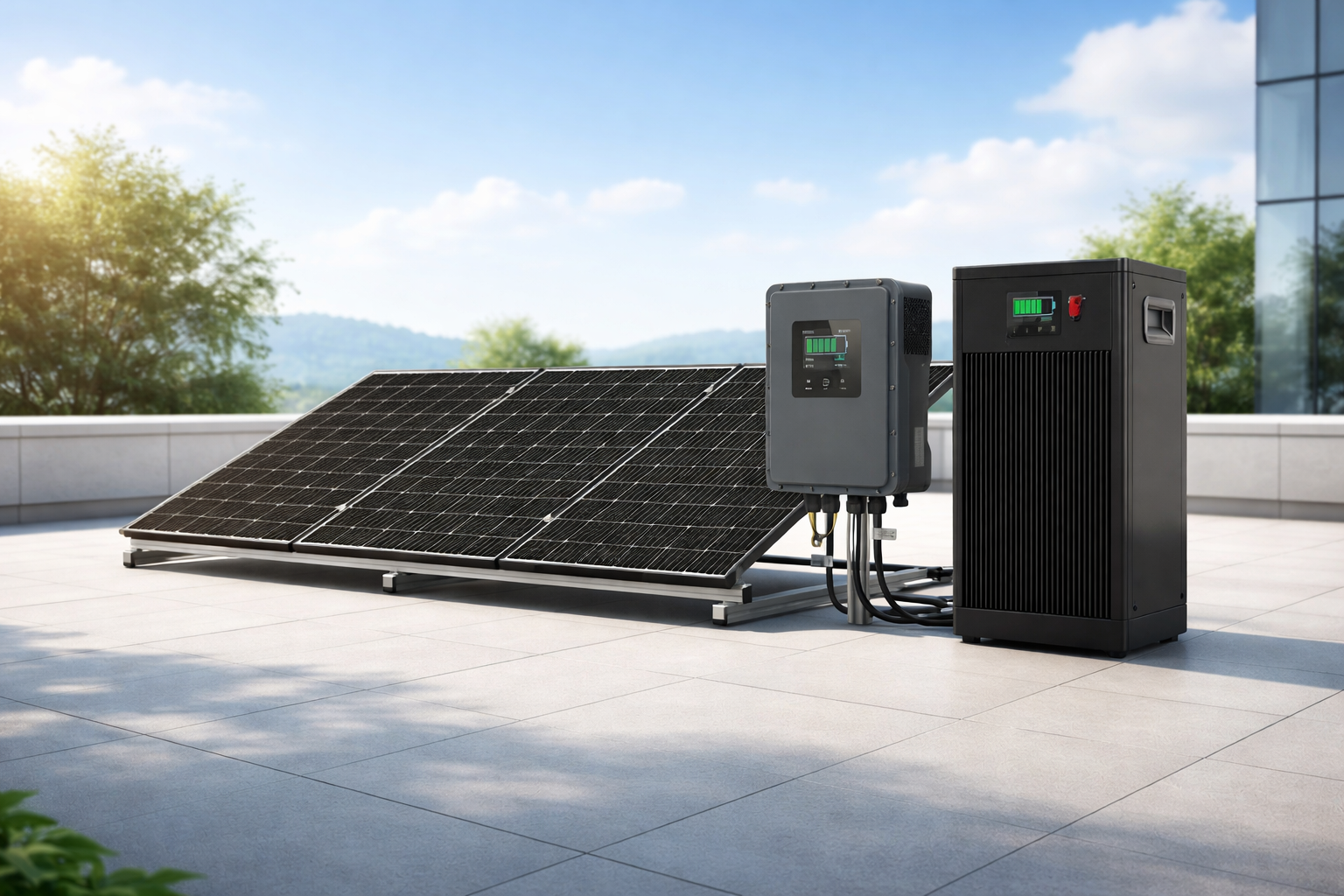
A solar rooftop power system is a renewable energy setup where photovoltaic (PV) solar panels are installed on the roof of a residential, commercial, or industrial building to convert sunlight into electricity.
The generated electricity can be:
- Used instantly for home or office consumption
- Stored in solar batteries for backup
- Exported to the electricity grid through net metering
Rooftop solar systems are ideal for:
- Independent houses and villas
- Apartments and gated communities
- Commercial buildings and offices
- Factories and warehouses
- Schools, hospitals, and institutions
How Does a Rooftop Solar System Work?
The working process of a rooftop solar power plant is simple and efficient:
- Solar PV panels absorb sunlight and generate Direct Current (DC) electricity.
- A solar inverter converts DC into Alternating Current (AC).
- The AC electricity powers your home appliances or commercial equipment.
- Surplus electricity is exported to the grid via net metering or stored in batteries.
This process enables you to reduce electricity bills while producing clean, sustainable energy.
Key Benefits of Installing a Solar Rooftop System
Investing in a rooftop solar installation offers long-term financial and environmental benefits:
- ✔ Significant reduction in electricity bills
- ✔ Protection from rising power tariffs
- ✔ Clean and renewable solar energy
- ✔ Reduced carbon footprint
- ✔ 25–30 years lifespan
- ✔ Low maintenance cost
- ✔ Increased property value
- ✔ Eligible for government solar subsidies (residential sector)
A properly sized solar rooftop system can deliver ROI within 3–5 years depending on usage and location.
Types of Solar Rooftop Systems
1. On-Grid Solar Rooftop System (Grid-Tied Solar)
- Connected directly to the electricity grid
- No battery storage required
- Works with net metering
- Most cost-effective option
Best for urban homes and commercial buildings with reliable grid supply.
2. Off-Grid Solar Rooftop System
- Independent from the electricity grid
- Requires battery storage
- Ideal for remote areas with no power supply
- Provides full energy independence
3. Hybrid Solar Rooftop System
- Connected to both grid and battery
- Provides backup during power cuts
- Offers maximum flexibility
- Ideal for areas with frequent outages
Choosing the right rooftop solar system depends on your electricity consumption, roof space, and budget.
Solar Rooftop System Cost in India (2026)
The cost of installing a rooftop solar system depends on several factors:
- System capacity (1kW, 3kW, 5kW, 10kW and above)
- Type of system (on-grid, off-grid, hybrid)
- Solar panel efficiency and brand
- Inverter quality
- Mounting structure and installation complexity
- Net metering approvals
While the upfront investment may seem high, rooftop solar delivers long-term savings and energy security for 25+ years.
Rooftop Solar Installation Tips for Maximum Efficiency
To ensure optimal solar power generation:
- Install panels facing south (in India for maximum sunlight exposure)
- Avoid shading from trees, tanks, or nearby buildings
- Use high-quality aluminum mounting structures
- Choose certified and experienced solar installers
- Ensure proper earthing and safety standards
Professional installation improves system performance and lifespan.
Solar Rooftop System Maintenance
One of the biggest advantages of rooftop solar is minimal maintenance:
- Clean solar panels every 2–3 months
- Inspect wiring and inverter annually
- Monitor generation through solar monitoring systems
- Schedule periodic professional inspection
Regular cleaning ensures higher energy output and better ROI.
Why Install a Solar Rooftop System for Your Home or Business?
A solar rooftop system gives you:
- Energy independence
- Lower operating costs
- Protection from rising electricity prices
- Sustainable, eco-friendly power generation
- Long-term financial returns
For businesses, rooftop solar reduces operational expenses and improves ESG sustainability ratings.
Frequently Asked Questions (FAQs)
Does a solar rooftop system work during cloudy weather?
Yes. Solar panels generate electricity even in diffused sunlight, though output may reduce slightly.
How long do rooftop solar panels last?
Most high-quality solar panels have a lifespan of 25–30 years with performance warranties.
Is rooftop solar suitable for apartments?
Yes. Group net metering or common-area solar installations can be implemented for apartments.
Conclusion: Is Solar Rooftop Worth It in 2026?
Installing a solar rooftop system is one of the most cost-effective and sustainable energy investments in 2026. With rising electricity costs and increasing awareness of clean energy, rooftop solar power offers long-term savings, environmental benefits, and reliable energy generation.
If you are planning to switch to renewable energy, now is the perfect time to invest in a rooftop solar system and secure your energy future.