
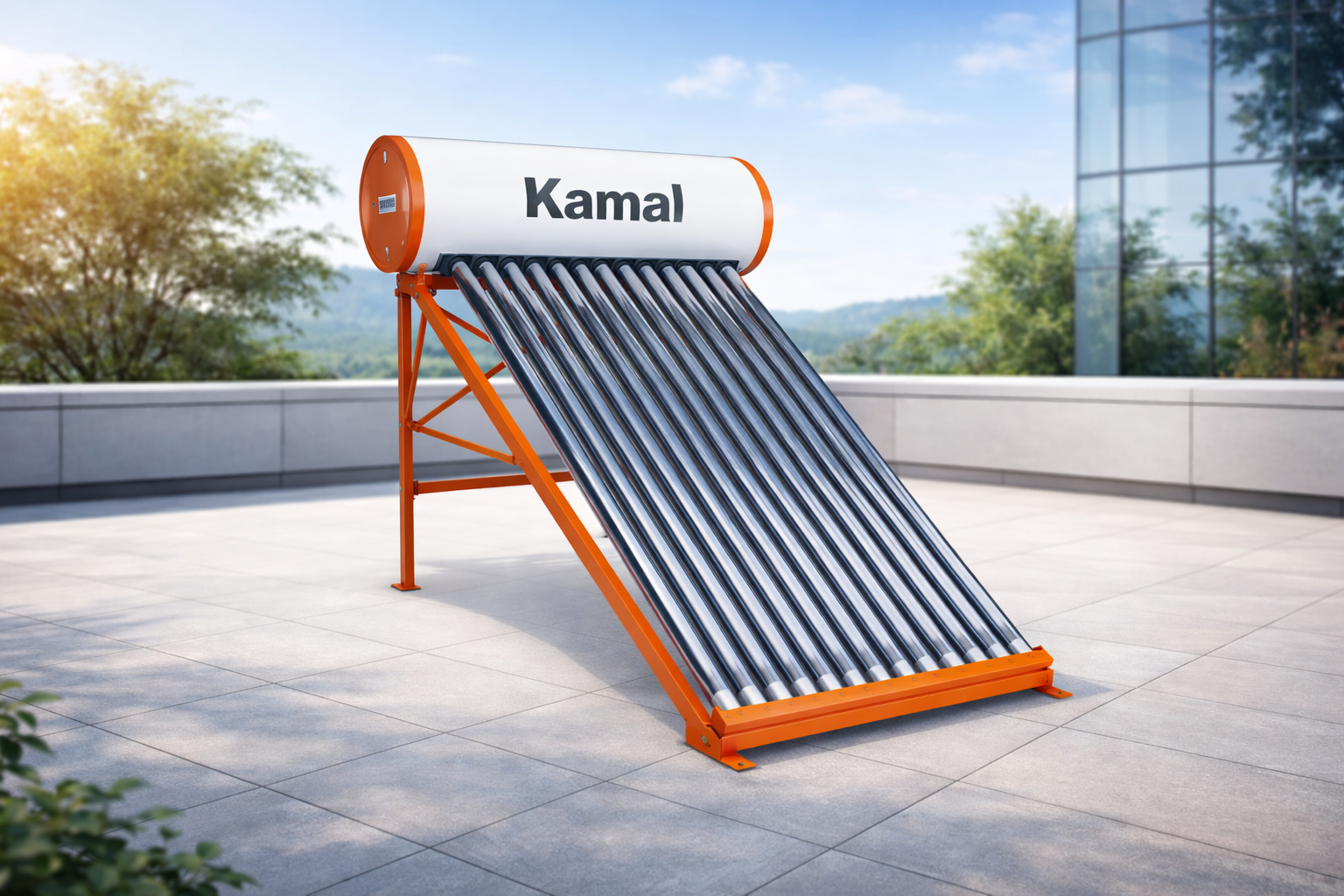
Solar Water Heater in 2026: Complete Guide to Energy-Efficient Solar Hot Water Systems
With rising electricity tariffs and increasing demand for renewable energy solutions in India, installing a solar water heater system has become one of the most cost-effective and eco-friendly upgrades for homes, apartments, hotels, hospitals, and commercial buildings.
A modern solar hot water system uses free sunlight to heat water, helping households reduce electricity bills by 60–80% while ensuring reliable hot water throughout the year.
In this comprehensive guide, you’ll learn:
- What a solar water heater is
- How a solar water heating system works
- Types of solar water heaters (ETC vs FPC)
- Solar water heater price in India (2026)
- Installation and maintenance tips
- How to choose the best solar water heater for your needs
What Is a Solar Water Heater?
A solar water heater (SWH) is a renewable energy system that uses solar thermal collectors to capture sunlight and convert it into heat for water heating.
Instead of relying entirely on electricity or gas geysers, a solar water heating system:
- Absorbs solar energy through collectors
- Transfers heat to water
- Stores hot water in an insulated storage tank
- Supplies hot water for bathrooms, kitchens, and industrial use
This significantly reduces power consumption and provides long-term energy savings.
Solar water heaters are suitable for:
- Independent houses and villas
- Apartments and gated communities
- Hotels and resorts
- Hospitals and hostels
- Factories and commercial kitchens
How Does a Solar Water Heating System Work?
The working principle of a solar hot water system is simple and efficient:
- Solar collectors absorb sunlight.
- Heat is transferred to water flowing through the collector tubes or plates.
- Heated water rises and is stored in an insulated tank.
- Hot water is supplied whenever required.
Most modern systems include an electric or gas backup heater to ensure hot water availability during cloudy weather or high-demand periods.
Key Benefits of Installing a Solar Water Heater
Investing in a solar water heater system provides multiple financial and environmental advantages:
- ✔ Lower electricity bills (up to 80% savings on water heating)
- ✔ Reduced carbon footprint
- ✔ Protection from rising power costs
- ✔ 15–25 years lifespan
- ✔ Low maintenance requirements
- ✔ Increased property value
- ✔ Eligible for government subsidies (residential sector in India)
Water heating accounts for a significant portion of household electricity consumption, making solar water heaters a high-ROI investment.
Types of Solar Water Heaters
1. Evacuated Tube Collector (ETC) Solar Water Heater
- Higher efficiency
- Faster water heating
- Performs well in colder regions
- More affordable initial cost
Most popular choice for residential applications in India.
2. Flat Plate Collector (FPC) Solar Water Heater
- Durable and long-lasting
- Copper tubes with absorber plate
- Better for hard water conditions
- Suitable for premium residential and commercial projects
Choosing between ETC and FPC depends on climate, water quality, budget, and daily hot water demand.
Solar Water Heater Price in India (2026)
The cost of installing a solar water heater depends on:
- Capacity (100 litre, 200 litre, 300 litre, 500 litre and above)
- Type of collector (ETC or FPC)
- Tank material and insulation quality
- Brand warranty and build quality
- Installation complexity
Although the upfront investment may seem higher than an electric geyser, a solar water heater typically recovers its cost within 2–4 years through electricity savings.
Solar Water Heater Installation Tips for Maximum Efficiency
For optimal performance and long-term durability:
- Install collectors facing south (in India)
- Avoid shading from trees or nearby buildings
- Use high-quality insulated pipelines
- Ensure proper roof structure support
- Choose certified and experienced solar installers
Professional installation directly impacts system efficiency and lifespan.
Maintenance of Solar Water Heater System
Solar water heaters require minimal maintenance compared to conventional water heating systems:
- Clean solar collectors every 3–6 months
- Check for scaling in hard water areas
- Inspect tank insulation annually
- Check for leaks or corrosion
- Schedule periodic servicing
Regular maintenance ensures consistent hot water supply and better energy savings.
Why Choose a Solar Water Heater for Your Home or Business?
A solar water heating system provides:
- Reliable hot water throughout the year
- Reduced monthly electricity expenses
- Long-term return on investment
- Environmentally sustainable solution
- Energy independence
For commercial establishments such as hotels and hospitals, solar water heaters significantly reduce operational energy costs.
Frequently Asked Questions (FAQs)
Does a solar water heater work on cloudy days?
Yes. Solar collectors still absorb diffused sunlight, and most systems include electric backup heating for uninterrupted hot water supply.
How long does a solar water heater last?
A high-quality solar water heater system typically lasts 15–25 years with proper maintenance.
Is solar water heating suitable for apartments?
Yes. Both individual rooftop systems and centralized solar hot water systems can be installed for apartment buildings.
Conclusion: Is a Solar Water Heater Worth It in 2026?
Installing a solar water heater is one of the most practical and cost-effective renewable energy upgrades in 2026. With rising electricity prices and growing awareness about sustainable living, switching to a solar hot water system ensures long-term savings and environmental benefits.
If you’re planning to reduce electricity bills and upgrade to an energy-efficient water heating solution, now is the perfect time to invest in a solar water heater system.