
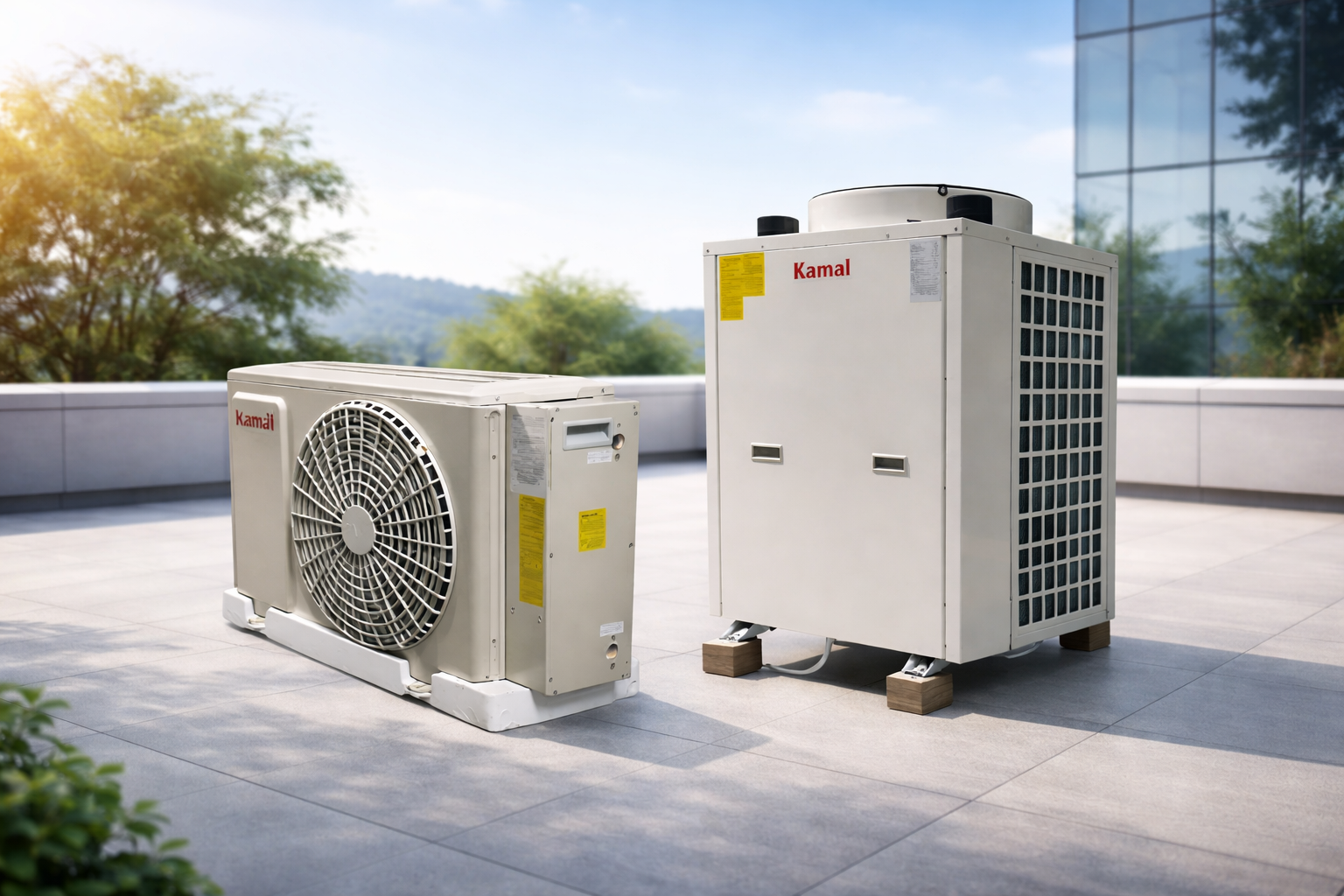
Heat Pump System in 2026: Complete Guide to Energy-Efficient Heating & Cooling Solutions
With rising electricity tariffs and growing demand for energy-efficient heating and cooling systems, installing a heat pump system has become one of the smartest investments for homes, apartments, hotels, and commercial buildings in 2026.
A modern air source heat pump or geothermal heat pump system provides year-round comfort by delivering both heating and cooling while consuming significantly less electricity than conventional heaters, boilers, or air conditioners.
In this comprehensive guide, you’ll learn:
- What a heat pump is and how it works
- Types of heat pump systems
- Heat pump cost in India (2026)
- Benefits of installing a heat pump
- Installation and maintenance tips
- How to choose the best heat pump for your property
What Is a Heat Pump System?
A heat pump is an advanced energy-efficient HVAC system that transfers heat from one location to another instead of generating heat through combustion or electric resistance.
It can:
- Extract heat from outdoor air, ground, or water
- Transfer heat indoors during winter (heating mode)
- Remove heat from indoors during summer (cooling mode)
Unlike traditional electric heaters, heat pumps move heat instead of creating it, which makes them 2–4 times more energy-efficient.
Heat pumps are ideal for:
- Residential homes and villas
- Apartments and gated communities
- Hotels and hospitals
- Commercial buildings and offices
- Industrial facilities
How Does a Heat Pump Work?
The working principle of a heat pump system is simple and efficient:
- The system absorbs heat from the surrounding air, ground, or water.
- A refrigerant captures this heat and passes it to a compressor.
- The compressor increases the temperature of the heat.
- The heated air is released indoors during winter.
- In summer, the cycle reverses to provide cooling.
Because heat pumps transfer thermal energy instead of generating it, they significantly reduce electricity consumption.
Key Benefits of Installing a Heat Pump
Choosing a high-efficiency heat pump system offers long-term financial and environmental benefits:
- ✔ Lower electricity bills (up to 40–60% savings)
- ✔ Heating and cooling in one system
- ✔ Eco-friendly and low carbon emissions
- ✔ Suitable for all climates
- ✔ Long lifespan (15–20 years or more)
- ✔ Low maintenance cost
- ✔ Reduced dependency on fossil fuels
Heat pumps are one of the most sustainable HVAC solutions available in 2026.
Types of Heat Pump Systems
1. Air Source Heat Pump (ASHP)
- Extracts heat from outdoor air
- Most common and affordable
- Easy and quick installation
- Suitable for residential properties
Best option for urban homes and moderate climates.
2. Ground Source Heat Pump (Geothermal Heat Pump)
- Extracts heat from underground
- Extremely high efficiency
- Stable year-round performance
- Higher initial installation cost
Ideal for long-term energy savings and large properties.
3. Water Source Heat Pump
- Uses heat from lakes, ponds, or groundwater
- Very efficient heat transfer
- Requires suitable water source
- Common in commercial projects
Choosing the right type depends on climate conditions, budget, available space, and energy requirements.
Heat Pump Cost in India (2026)
The cost of installing a heat pump system depends on:
- Type of heat pump (air, ground, water source)
- System capacity (based on square footage)
- Brand and energy efficiency rating (COP rating)
- Installation complexity
- Insulation quality of the building
While the upfront investment may be higher than conventional systems, long-term energy savings and lower operational costs make heat pumps highly cost-effective.
Heat Pump Installation Tips for Maximum Efficiency
For optimal performance and long system life:
- Select the correct heat pump capacity
- Ensure proper insulation in the building
- Install the outdoor unit in a well-ventilated area
- Choose experienced and certified installers
- Use high-quality piping and components
Professional installation directly impacts efficiency and energy savings.
Heat Pump Maintenance Guide
Heat pumps require minimal maintenance compared to traditional heating systems:
- Clean or replace air filters regularly
- Inspect refrigerant levels
- Clear debris around outdoor unit
- Schedule annual professional servicing
- Monitor system performance
Routine maintenance ensures maximum energy efficiency and durability.
Why Choose a Heat Pump for Your Home or Business?
A modern heat pump system offers:
- Year-round heating and cooling
- Reduced electricity bills
- Lower carbon footprint
- Smart temperature control
- Long-term return on investment
For commercial buildings, heat pumps reduce operational costs and support sustainability goals.
Frequently Asked Questions (FAQs)
Do heat pumps work in cold climates?
Yes. Modern inverter heat pumps are designed to operate efficiently even in low temperatures.
How long does a heat pump last?
With proper maintenance, a heat pump system typically lasts 15–20 years or more.
Is a heat pump better than an air conditioner?
Yes. A heat pump provides both heating and cooling, while a traditional air conditioner only provides cooling.
Conclusion: Is a Heat Pump Worth It in 2026?
Installing a heat pump system is one of the most energy-efficient and environmentally responsible ways to heat and cool your property in 2026. With rising energy prices and increasing focus on sustainable living, heat pumps provide long-term savings, comfort, and reliability.
If you’re planning to upgrade your HVAC system, investing in a high-efficiency heat pump is a smart and future-ready decision.